
Good morning from Pancake Bay on Lake Superior, Ontario Canada
A beautiful day at Pancake Bay on Lake Superior , Ontario Canada
Bannock Bay
Ojibwe : bakwezhigan


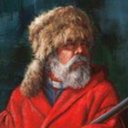
Pancake Bay gets its name from folk stories about 17th- to 19th-century French-Canadian fur traders, known as voyageurs.
The Voyageur Legends
Low Food Supply: Legend says that when the voyageurs finished their long, hard journey across Lake Superior and reached this bay, their food was almost gone. They had only flour left, so they mixed it with water and salt to fry up simple pancakes or flat bread (galettes / bannock)
The Last Stop: The bay was their final camping spot before reaching Sault Ste. Marie the next day, where they could finally buy more food.
Other IdeasFlat Water:
Some people think the name comes from the calm, flat surface of the water in the sheltered bay, which could look as smooth as a pancake.
Flat Beach:
Others believe the wide, flat, sandy beach looked like a giant pancake from the open water of Lake Superior.
Source : https://blog.ontarioparks.ca/how-pancake-bay-got-its-name/
History of Bannock
It is conventionally believed that Scottish fur traders called Selkirk settlers introduced bannock to the Indigenous peoples of North America during the 18th and 19th centuries. (See also Fur Trade in Canada.) The Scots cooked it in a griddle called a bannock stone, which they placed on the floor before a fire. Scottish bannock was usually made of barley, peameal, or oatmeal. Wheat flour was later introduced. Indigenous people eventually adopted bannock, often using corn flour or plants rather than the wheat flour of Europeans.
Bannock became a staple for voyageurs, fur traders, prospectors, and later, Indigenous peoples. It is a quick and simple carbohydrate-rich food, which was hard to come by in many parts of Canada. Many would mix the dough right into their flour bag, and toss it onto a pan whenever the need arose.
Bannock is a reminder that Indigenous peoples were forced to eat new foods when the Europeans colonized the land that is now Canada. Many Indigenous peoples were moved off their territories and onto reserves, where they were not able to hunt as they once did. The Canadian government supplied them with rations of things such as flour, lard, sugar and eggs. Bannock became a necessity to prevent starvation on reserves.
While bannock has its roots in Europe, some Indigenous nations in North America had versions of unleavened bread-like foods. These were often made from the starch or flour of bracken rhizomes (the underground stems of ferns), which were cooked or baked on rocks over fire, in sand, or in cooking pits or earth ovens. For example, camas bulbs (an herb from the lily family) would have been baked for long periods of time, dried, and then flattened or chopped, and formed into cakes and loaves.
Source : https://thecanadianencyclopedia.ca/en/article/bannock
You have given a wonderful post. I enjoyed the beauty of nature by looking at the pictures in your post. Best wishes to you.
Amazing View 💎