
Reseña del libro: La contadora de películas [Esp-Eng]

Saludos comunidad.
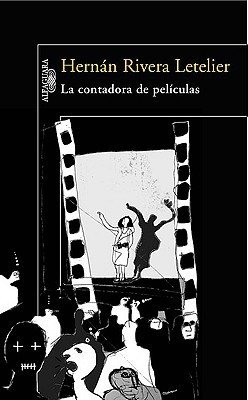
Decirles que hace poco me tropecé con una novelita, que me sorprendio sin aviso previo, se titula "La contadora de películas", ¿películas? Pues si, leyeron bien, ese mismo es el título.
La verdad es que me recordó la época de mi adolescencia, cuando íbamos a la escuela al campo a recoger Café, en campamentos ubicados en lugares recónditos, donde la electricidad no llegaba, y que además de los tipicos juegos de mesa, uno de los entrenamientos del grupo era juntarnos entorno a la luz de un quinque, y de algún cinefilo abesado a escuchar las narraciones de películas.
Greetings, community
"Tell them that recently I stumbled upon a little novel that took me by surprise out of nowhere. It's called 'The Movie Teller' — movies? Yes, you read that right, that's the very title."
Truth be told, it brought me back to my teenage years, when we would go from school to the countryside to pick coffee, staying in camps tucked away in remote places where electricity hadn't yet arrived. Besides the usual board games, one of our group's pastimes was gathering around the light of a kerosene lamp while some seasoned film buff narrated movies for us.
Esta es una novela corta, la cual bien podría se absorvida en apenas una tarde, si autor es Hernán Rivera Letelier, el cual confieso no conocía, aun cuando indage es un novelista chileno famoso por varias de sus obras, pero bueno la literatura universal es tan amplia, que no nos alcanzaría una vida para explorarla toda.
La historia del libro va más o menos así: en medio del desierto chileno, en un pueblo salitrero de esos que el mapa casi olvida, vive María Margarita, no tiene grandes lujos, ni siquiera comodidades, pero tiene algo que brilla más que el polvo de la pampa, y es la habilidad de convertir una tarde de cine en una fogata de historias para su familia. Su padre, y sus hermanos, con hambre de todo, esperan sus palabras como quien espera un pedazo de pan.
This is a short novel – one you could easily devour in a single afternoon. The author is Hernán Rivera Letelier, whom I confess I hadn't heard of, even though I looked him up. He's a famous Chilean novelist known for several works. But well, world literature is so vast that one lifetime isn't enough to explore it all.
The book's story goes something like this: in the middle of the Chilean desert, in one of those nitrate-mining towns that maps have nearly forgotten, lives María Margarita. She has no great luxuries, not even comforts, but she possesses something that shines brighter than the pampas dust: the ability to turn an afternoon at the movies into a campfire of stories for her family. Her father and siblings, hungry for everything, wait for her words like one waits for a piece of bread.
Ella va al cine del pueblo con las monedas justas, y luego vuelve a contar las escenas, los gestos de la rubia Marilyn, cada desgarro de la melodía mexicana... Ahí está la magia, logrando no solo que el cine se vea, sino que también se narre y reinvente, ella logra hacerlo tan bien que termina siendo la contadora oficial de todo el lugar. Esta obra además de ser una especie de romance con el séptimo arte; por debajo de las historias, la novela transpira el sudor y la injusticia de una época dura, el autor no endulcora la pobreza, pero le encuentra un resquicio hermoso en la imaginación.
Lo que más me gustó, es que en ella cine no es para críticos o académicos, sino para sentarse, callarse y dejarse llevar. Si eso les resuena, esta lectura pueder ser muy grata, anímense a darle una oportunidad y luego quizás hasta se la recomienden a algún familiar, amigo o conocido.
She goes to the town cinema with just enough coins, then returns home to recount the scenes – the gestures of blonde Marilyn, every heart-wrenching note of a Mexican melody... That's where the magic lies. She doesn't just make the films visible; she narrates and reinvents them, and she does it so well that she ends up becoming the official film counter for the whole town. This work is not only a kind of romance with the seventh art; beneath the stories, the novel sweats the hardship and injustice of a tough era. The author doesn't sugarcoat poverty, but he finds a beautiful crack of light in imagination.
What I liked most is that, in this book, cinema isn't for critics or academics – it's for sitting down, shutting up, and letting yourself be carried away. If that resonates with you, this read could be very pleasant. Go ahead and give it a chance, and afterward you might even recommend it to a family member, friend, or acquaintance.

Translated with Google (free version)
Traducido con Google (versión gratuita)
Gracias por su visita
Thank you for your visit
Posted Using INLEO
Esta publicación ha recibido el voto de Literatos, la comunidad de literatura en español en Hive y ha sido compartido en el blog de nuestra cuenta.
¿Quieres contribuir a engrandecer este proyecto? ¡Haz clic aquí y entérate cómo!