
Foundation Soul Bound or Not Soul Bound

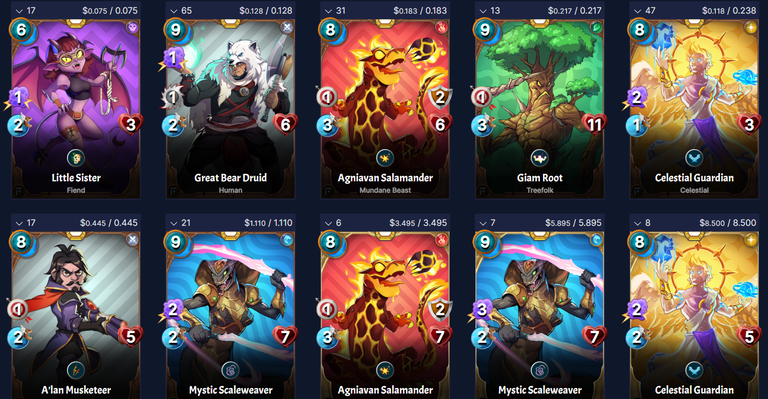
Splinterlands has always been a game built around strategy, ownership, and the thrill of earning real value through gameplay. With the introduction of Foundation cards, the game has taken a major step toward making the ecosystem more welcoming to new players while still rewarding long‑time competitors. Foundation cards now come in two forms: Soulbound and non‑Soulbound, and each plays a unique role in shaping how players grow their collections.

Soulbound Foundation cards are tied permanently to the player who earns them. They cannot be sold, traded, or transferred, and they are obtained exclusively through the new campaign system. Campaigns offer a structured, story‑driven progression path where players battle through increasingly challenging encounters. Because these cards are earned through effort rather than investment, they create a sense of personal progression that feels earned rather than purchased. This design helps players focus on improving their skills and exploring the game’s lore while building a reliable foundation of cards they can always count on. Soulbound cards become a kind of personal trophy collection, reflecting the player’s journey through the campaign mode and encouraging long‑term engagement with campaign progression.

Non‑Soulbound Foundation cards take a different path. These cards are earned through ranked battles and appear in daily and seasonal reward chests. Unlike their Soulbound counterparts, non‑Soulbound cards can be traded, rented, or sold on the market. This makes them part of the traditional Splinterlands economy, where competitive play directly translates into real, tradable value. Players who climb the ranked ladder are rewarded with assets they can use to strengthen their deck or convert into DEC, SPS, or other in‑game resources. This keeps the competitive scene vibrant and gives players a reason to refine their strategies and push for higher ranks. It also maintains the economic heartbeat of the game through ranked battle rewards.
The combination of these two systems creates a powerful on‑ramp for new players. Instead of needing to invest heavily just to compete, beginners can now earn meaningful cards simply by playing. Campaigns give them a safe and structured way to build a functional deck, while ranked battles offer the chance to earn tradable cards once they feel ready to compete. This dual‑path progression means that Splinterlands is no longer a game where newcomers must choose between spending money or falling behind. They can grow naturally through gameplay, learn the mechanics at their own pace, and still participate in the broader economy when they’re ready. This shift supports a healthier ecosystem built on player accessibility and long‑term sustainability.
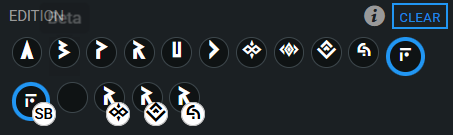
By separating Soulbound and non‑Soulbound Foundation cards, Splinterlands has created a balanced system that rewards both dedication and competition. Over on Peakmonsters.com player can easily filter through both type of cards. Campaign players gain reliable tools for progression, while ranked players continue to fuel the marketplace with valuable, tradable assets. Together, these systems strengthen the play‑to‑earn foundation of the game and make it easier than ever for new players to join, learn, and thrive.
Third party open market is were you can find Foundation cards that are on sale right now and currently they are one of the least expensive type of cards to purchase on the open market. On top of all that it takes less bcx per a type of card to max compare to other set of cards creating Foundation as an ideal set for all players to earn and play.
Until next time thanks for reading!!!

I have plenty of other cards for rent! Just go on peakmonsters and check out the market place and if you are curious what I offer here is a link:
If You have yet to take part in playing this great game called Splinterlands please click on my referral link. It is free but in order to earn real assets such as cards and token you would have to invest in a starter deck or purchase game cards. Join the discord to learn more. Good luck!

THANKS FOR READING! CONTINUE TO PLAY SPLINTERLANDS!
It's just like that, every person has to play the game, but there are some things that he changes and adopts a stronger strategy than others, then he wins more games.