
Más que una mochila / More than a backpack [Esp-Eng]

Saludos comunidad @holos.lotus
Aunque no queramos admitirlo es posible que muchos hayamos visto o conocido de esa escena, donde el niño vuelve a casa con los ojos bajos porque sus compañeros se rieron de sus zapatos; la adolescente que llora porque su teléfono "no es el que tienen todos", o el estudiante universitario más preocupado por la foto que va a subir a Instagram que por la materia que acaba de comenzar.
Y nosotros los adultos, padres, los profesores, tíos, vecinos, mirando para otro lado, o peor: alimentando el monstruo. Sino de dónde creen, que sacan los niños la idea de que la mochila nueva.. es una especie de definicion de quién merece ser aceptado, no es de los dibujos animados, la extraen de nosotros, de las conversaciones hogareñas, de como se habla del vecino que se compró tal o mas cual cosa, de los "likes" que se persiguen como si fueran moneditas de oro, de esa necesidad enfermiza por demostrar que se tiene más que el de al lado.
Greetings community @holos.lotus
Even if we don't want to admit it, many of us have probably seen or known that scene: the child who comes home with their eyes down because their classmates made fun of their shoes; the teenager who cries because their phone "isn't the one everyone has"; or the university student more worried about the photo they're going to post on Instagram than about the subject they've just started.
And we adults—parents, teachers, uncles, aunts, neighbors—looking the other way, or worse: feeding the monster. Because where do children get the idea that the new backpack is a kind of definition of who deserves to be accepted? It's not from cartoons; they get it from us, from conversations at home, from how we talk about the neighbor who bought this or that thing, from the "likes" that are pursued as if they were little gold coins, from that sickly need to show that we have more than the person next to us.
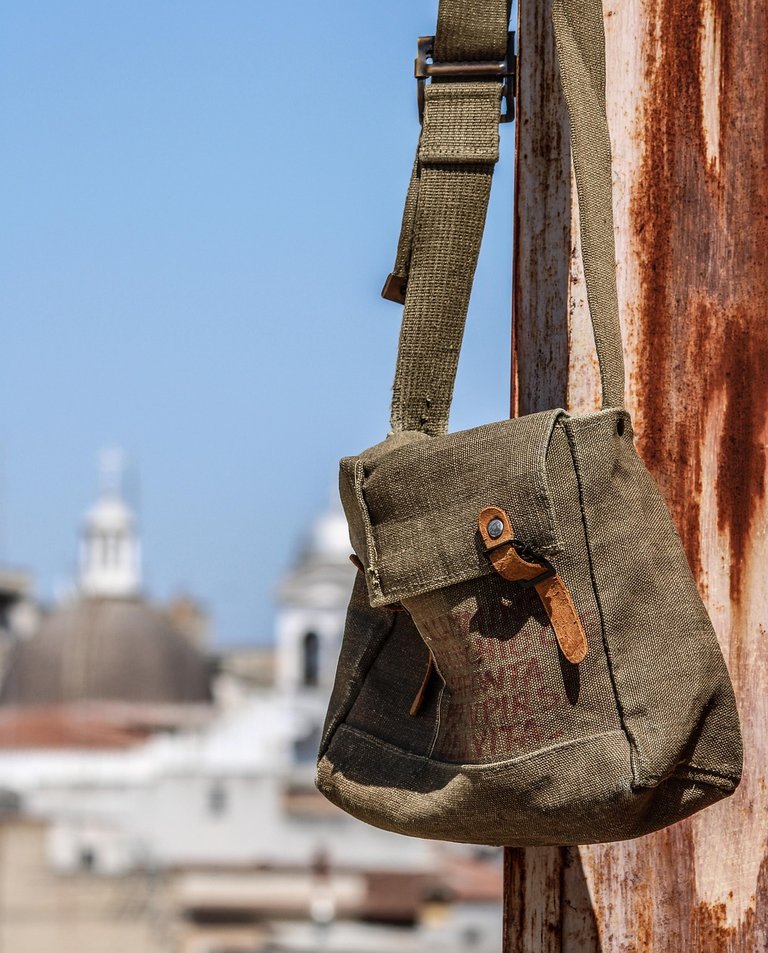
Vivimos en sociedades que nos empuja constantemente a confundir lo necesario con lo superfluo, y lo peor es que muchas veces ni siquiera nos damos cuenta. A ver, ¿qué necesita realmente un niño para aprender? Pues un espacio seguro, un adulto que lo guíe con respeto, ganas de preguntar y equivocarse, esa sería la esencia, lo demás... lo demás es ruido, pero ese ruido por momentos se torna ensordecedor.
No es posible ignorar que los niños viven en grupos, cuya pertenencia es tan vital como el aprendizaje, que ser excluido por no tener el teléfono de moda duele, y duele de verdad, eso también es real; el problema no es que los niños, adolescentes quieran encajar, sino que se les da herramientas equivocadas para hacerlo, muchas veces lo que se le transmite es que el pertenecer se compra, que el valor se mide en marcas, que mostrar lo que tienes es sinónimo el respeto, y no por quien eres.
Cosas como estas pasan no en la escuelas, en las oficinas, gimnasios, reuniones familiares, redes sociales, como si todos estuviéramos atrapados en la misma trampa; he visto equipos de trabajo, donde nadie habla de los proyectos, solo del último viaje que se publicó en redes, amigos que absurdamente compiten por quién actualiza más rápido el celular, padres endeudados para que su hijo no sea "el raro", sin preguntarse si ese es el mensaje que quieren dejarles.
We live in societies that constantly push us to confuse what is necessary with what is superfluous, and the worst part is that many times we don't even realize it. Let's think: what does a child really need to learn? Well, a safe space, an adult who guides them with respect, a desire to ask questions and make mistakes—that would be the essence; the rest... the rest is noise, but that noise sometimes becomes deafening.
We can't ignore that children live in groups, where belonging is as vital as learning; that being excluded for not having the trendy phone hurts, and it truly hurts—that is also real. The problem is not that children and teenagers want to fit in, but that they are given the wrong tools to do so. Often, what is conveyed to them is that belonging is bought, that worth is measured in brands, that showing what you have is synonymous with respect—not who you are.
Things like this don't just happen in schools, but in offices, gyms, family gatherings, social media—as if we were all trapped in the same trap. I've seen work teams where no one talks about the projects, only about the last trip posted on social media; friends absurdly competing over who updates their phone faster; parents going into debt so their child isn't "the weird one," without asking themselves if that's the message they want to leave them.

Necesitamos parar y respirar, para recordar tres cosas muy simples, aunque ponerlas en práctica se pueda tornar difícil.
Primero: las diferencias no son una amenaza y si una oportunidad. Que Juan tenga mochila nueva y Pedro la del año pasado no tiene que ser motivo de burla, sino de aprendizaje; es preciso enseñar que cada familia tiene sus prioridades, decir abiertamente de que no se puede tener todo, y que eso no significa una tragedia para la vida.
Segundo: con lo que tenemos y con lo que podemos, no hace falta fingir o endeudarse para aparentar. No hace falta humillar al que tiene menos ni envidiar al que tiene más, cada quien lucha sus propias batallas, si desde pequeños se enseña a decir "esto es lo que puedo hoy, y está bien", cuánto sufrimiento nos ahorraríamos.
Tercero: y no por ser el último, es el de menos importante, recuperemos la brújula sobre lo que valoramos realmente, entre el último teléfono y la capacidad de escuchar, las zapatillas de moda o la honestidad, la marca de la mochila o la generosidad del que la lleva. Cuando el ruido se calla, cuando las modas pasen y los teléfonos queden obsoletos, lo único que quedará es lo que fuimos, no lo que tuvimos, lo compartido, no lo acumulado, cómo tratamos a los que tenían menos, no a cuántos se les piso para tener más.
Para muchos pudiera parecer idealista, pero crecí viendo niños compartir su merienda con otros que no llevaban; adolescentes defender al compañero del que se burlaban por su ropa, adultos renunciar a promociones para no pisar a un colega, y aunque el tiempo a mellado cosas como esas, todavía esa gente existe, y existe porque alguien les enseñó, en algún momento, que valen por lo que son, así que quizás, podemos empezar hoy, en casa; la escuela; el trabajo; durante esas conversaciones incomodas con nuestros hijos cuando piden algo que no necesitan; en la forma en que se mira tiene menos; en cómo se habla del que tiene más...
Porque el mundo no cambiara por arte de magia, cambia cuando empezemos a educar con el ejemplo, cuando nuestros niños nos vean más preocupados por ser buenas personas que por tener cosas bonitas, cuando se entiende que la verdadera riqueza no está en lo que mostramos, sino en lo que somos capaces de dar, y eso empieza por uno mismo; por ti; por mí; por esta conversación que tenemos...
We need to stop and breathe, to remember three very simple things, even if putting them into practice may become difficult.
First: differences are not a threat, but an opportunity. That Juan has a new backpack and Pedro has last year's model shouldn't be a reason for mockery, but for learning. It is necessary to teach that each family has its priorities, to openly say that you can't have everything, and that this does not mean a tragedy for life.
Second: with what we have and with what we can manage, there's no need to pretend or go into debt to keep up appearances. There's no need to humiliate those who have less or envy those who have more; everyone fights their own battles. If from a young age we teach to say, "This is what I can do today, and it's fine," how much suffering we would save ourselves.
Third: and not because it's last is it least important—let's recover our compass regarding what we truly value: between the latest phone and the ability to listen, trendy sneakers or honesty, the brand of the backpack or the generosity of the one who carries it. When the noise falls silent, when trends pass and phones become obsolete, the only thing that will remain is who we were, not what we had; what we shared, not what we accumulated; how we treated those who had less, not how many we stepped on to have more.
To many, this might seem idealistic, but I grew up seeing children share their snack with others who hadn't brought one; teenagers defending the classmate who was mocked for their clothes; adults turning down promotions to avoid stepping on a colleague. And although time has worn away things like that, those people still exist, and they exist because someone taught them, at some point, that they are valuable for who they are. So perhaps we can start today, at home, at school, at work, during those uncomfortable conversations with our children when they ask for something they don't need, in the way we look at those who have less, in how we talk about those who have more...
Because the world won't change by magic; it changes when we begin to educate by example, when our children see us more concerned with being good people than with having nice things, when we understand that true wealth lies not in what we show, but in what we are capable of giving. And that starts with oneself; with you; with me; with this conversation we're having.
Screenshot of my property
Translated with Google (free version)
Captura de pantalla de mi propiedad
Traducido con Google (versión gratuita)
Gracias por su visita
Thank you for your visit
Posted Using INLEO