
¿Cambiamos o mejoramos? [Esp-Eng]

Saludos comunidad @holos.lotus.
De las dinámicas sociales de la actualidad a nuestro alrededor, es poco probable que nos sea ajeno el fenómeno de los movimientos migratorios, bien hacia otros países, o dentro de los propios hacia ciudades más cosmopolitas y prósperas.
Conocemos gente que empezó desde abajo, que paso a paso fueron escalando, consiguiendo ese trabajo, automóvil, vivienda que antes parecía un sueño lejano. Como también es posible ver cómo ese alguien, sin quererlo del todo, empezó a hablar distinto, a vestirse de otra manera, a frecuentar lugares donde antes no entraban ni sus pensamientos.
Greetings community @holos.lotus
Regarding the social dynamics around us today, it's unlikely that the phenomenon of migratory movements—whether to other countries or within countries toward more cosmopolitan and prosperous cities—is unknown to us.
We know people who started from the bottom, who step by step climbed up, landing that job, that car, that home which once seemed like a distant dream. But it's also possible to see how that same person, without really meaning to, began to speak differently, to dress another way, to frequent places where even their thoughts hadn't entered before.
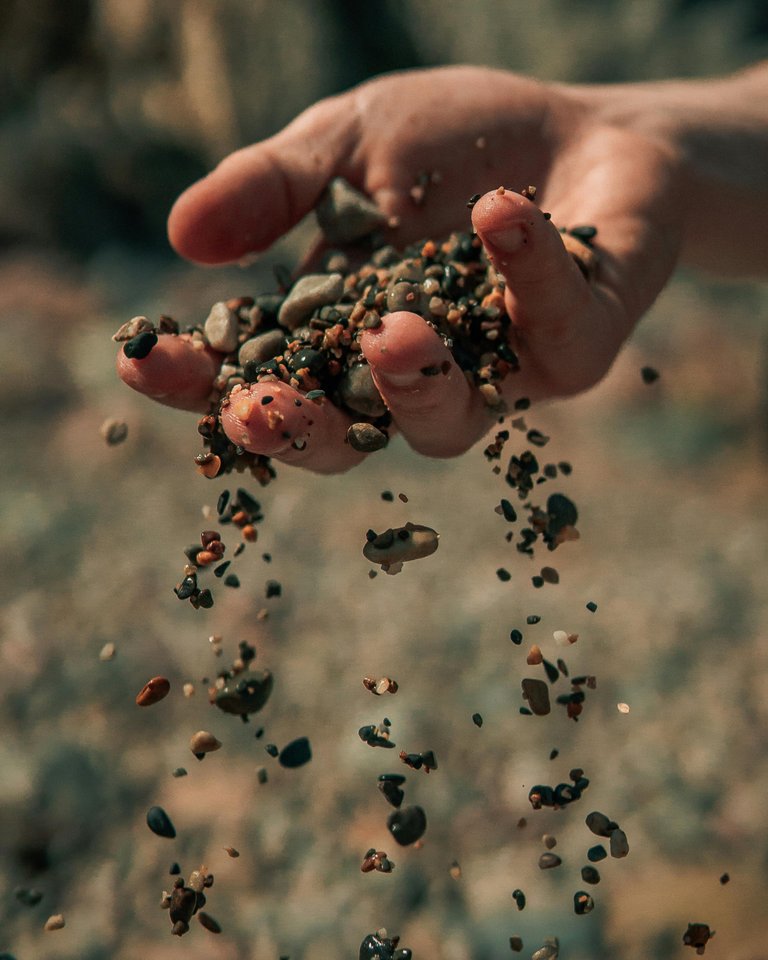
Nos movemos, la vida no es estática, pues no somos simples árboles; pasamos de ser dependientes a autónomos, de vivir en un barrio a otro, de tener un salario mínimo a uno que nos permite respirar más holgados. Algo que los libros llaman "movilidad social" es la historia de casi todos nosotros, de nuestros padres, o de la humanidad en su conjunto. Cuando se cambia de posición y se entra a nuevos círculos, hay algo que empieza a empujar desde adentro; no es algo que se decide, sino más sutil. Llega el nuevo grupo, que tiene sus códigos, formas de opinar, de gastar... Y casi sin darte cuenta, empiezas a parecerte a ellos, cual frase vieja de "dime con quién andas y te diré quién eres"; cuando se anda con gente que piensa distinto, que tiene otros hábitos e intereses, se termina siendo un poco de ellos.
¿Es posible que esos cambios condenen a olvidar? Vamos a ver, el que hoy maneja un auto propio o asignado puede entender el infierno del transporte público, pero no lo vive; puede sentir empatía, claro que sí, pero la representación mental, la forma en que su cerebro procesa el problema, ya no es la misma, y eso es inevitable. La vida es transformadora, las condiciones materiales no son neutrales: van tejiendo pensamientos, miedos, deseos. He visto gente que al mejorar su economía se cree superior o mejor persona, pero mejorar económicamente no necesariamente es sinónimo de mejoramiento humano; a veces una cosa viene sola y la otra se queda atrás.
We move; life is not static, for we are not mere trees. We go from being dependent to autonomous, from living in one neighborhood to another, from earning a minimum wage to one that allows us to breathe more freely. This is what books call "social mobility"—it's the story of almost all of us, of our parents, or of humanity as a whole. When you change your position and enter new circles, something begins to push from within. It's not something you decide; it's more subtle. The new group arrives, with its own codes, ways of expressing opinions, of spending money... And almost without realizing it, you start to resemble them, like the old saying goes, "tell me who you walk with, and I'll tell you who you are." When you walk with people who think differently, who have other habits and interests, you end up becoming a little like them.
Is it possible that these changes condemn us to forget? Let's see, someone who now drives their own or a company car can understand the hell of public transportation, but they don't live it. They can feel empathy, of course, but the mental representation, the way their brain processes the problem, is no longer the same—and that's inevitable. Life is transformative; material conditions are not neutral. They weave thoughts, fears, desires. I've seen people who, upon improving their financial situation, believe they are superior or better human beings. But improving economically is not necessarily synonymous with human improvement. Sometimes one thing comes alone, and the other gets left behind.
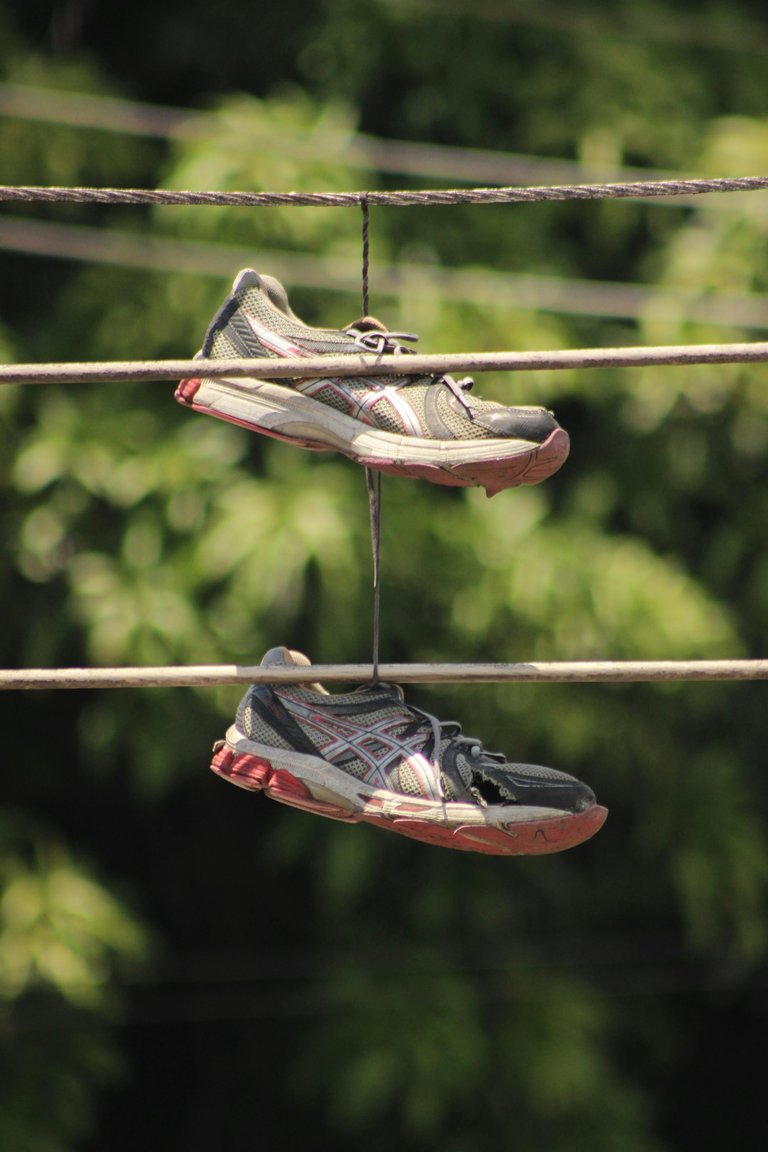
También he visto a los que subieron de posición, que cambiaron de grupo, pero que mantuvieron algo intacto, algo así como conciencia, valores, memoria. Saben de dónde vienen y no lo usan como un adorno o discurso; lo llevan por dentro. Siguen siendo esa persona humilde, laboriosa, compañera, solo que ahora tienen mejores zapatos; cosa que no se antoja fácil. Esas nuevas dinámicas y/o grupos sociales presionan, a veces sin mala intención, invitan a "dejar atrás" lo viejo, a "no mirar para atrás", pero no se trata de mirar atrás para quedarse, sino para no perderse.
¿Estamos cambiando o estamos mejorando? Se puede cambiar sin mejorar; es posible ganar dinero y perder el alma, ascender en el trabajo y caer en la soberbia. Los buenos cambios no piden que renuncies a tu historia, sino que la cultives; ser distinto sin dejar de ser quien eres, que te muevas con las raíces a cuestas, y aprendas otros códigos sin quemar los tuyos. El lujo más grande no es un auto nuevo o una cuenta bancaria abultada, sino cambiar de vida sin cambiar de alma, y eso no lo da el dinero, sino una cabeza bien puesta y el corazón en su sitio.
I've also seen those who rose in status, who changed their social circle, but kept something intact—something like awareness, values, memory. They know where they come from, and they don't use it as decoration or a speech; they carry it within. They remain that humble, hardworking, supportive person, only now they have nicer shoes. That is no easy feat. Those new dynamics and social groups exert pressure, sometimes without bad intentions. They invite you to "leave behind" the old, to "not look back." But it's not about looking back to stay there; it's about not losing yourself.
Are we changing, or are we improving? You can change without improving. It's possible to gain money and lose your soul, to climb the corporate ladder and fall into arrogance. Good changes don't ask you to renounce your history; rather, they ask you to cultivate it. To be different without ceasing to be who you are, to move with your roots in tow, to learn other codes without burning your own. The greatest luxury is not a new car or a fat bank account, but to change your life without changing your soul. And that isn't given by money—it comes from a well-placed mind and a heart in its rightful place.
***********

Translated with Google (free version)
Traducido con Google (versión gratuita)
Gracias por su visita
Thank you for your visit
Posted Using INLEO