
Dos lados del muro / Two Sides of the Wall [Esp-Eng]

Un afectuoso saludo para todos por aca.
La frustración tiene una geografía imprecisa, pues no se mide en kilómetros de distancia ni en horas sin luz, a veces la persona más atrapada no es la que vive con racionamiento eléctrico, sino la que tiene el refrigerador lleno y pasa el día entero mirando hacia atrás, midiendo su vida con la desgracia ajena.
Nos ha tocado vivir una época, donde la migración se ha convertido en una especie de promesa incumplida para muchos, ese gesto de irse, que debiera ser un acto de búsqueda, no pocas veces termina siendo una condena silenciosa; hay quienes cruzan fronteras físicas, pero se quedan anclados en un lugar que juraron abandonar, paradójicamente cuanto más lejos están, más pendientes viven de lo que ocurre en el patio que dejaron, no para tender puentes, sino para alimentar un rencor que los mantiene a flote.
A warm greeting to everyone here.
Frustration has an imprecise geography, for it is not measured in kilometers of distance nor in hours without light. Sometimes the most trapped person is not the one living with electricity rationing, but the one with a full refrigerator who spends the entire day looking backward, measuring their life against the misfortune of others.
We have been fated to live in an era where migration has become, for many, a kind of unfulfilled promise. That gesture of leaving, which should be an act of seeking, all too often ends up being a silent condemnation. There are those who cross physical borders but remain anchored to a place they swore to leave behind. Paradoxically, the farther they are, the more intently they follow what happens in the yard they left—not to build bridges, but to feed a resentment that keeps them afloat.

Hay personas que se fueron con una mano alante y otra atrás, con el título universitario enrollado en la maleta y la certeza de que el solo hecho de que al pisar otro suelo todo se resolvería. Entonces llega ese frío de los días reales, el trabajo que no reconoce los años de estudio, la habitación prestada donde la intimidad se vuelve un lujo, la soledad que nadie anunciaba en los grupos de WhatsApp, en esa especie de vacío el enemigo fácil aparece; no es el espejo, ni la propia desilusión, es aquello que dejaron atrás.
Habitualmente encontramos, comentarios que celebran la desgracia del que se quedó, el apagón que dura horas, se convierte en anécdota para quienes tienen luz encendida las veinticuatro horas, la protesta de un vecino en un barrio popular, es motivo de alegría para muchos que nunca se mojaron en ninguna protesta cuando estaba aquí, la dificultad ajena se vuelve espectáculo, y en ese circo montado desde la distancia, se va perdiendo la capacidad, de reconocerse humano entre los suyos.
Esta no es una historia de dos bandos, no se trata de los que se fueron contra los que se quedaron, pues hay otra manera de habitar la distancia, hay quien emigra y duerme tranquilo, porque aprendió a construir desde el respeto, sin necesidad de destruir lo que otros intenten sostener con lo poco que tienen. El perfil del que hablo, es el que ha hecho de la crítica una religión vacía, donde el dogma es el bloqueo y la oración es el deseo de que al otro le vaya mal.
Llamativamente ese personaje tan presente hoy en las redes sociales, en las conversaciones de la esquina... Encarna una forma contemporánea de la frustración más pura, la del que ya alcanzó lo que creía su sueño y descubrió que el sueño tenía goteras, no pudiendo admitir que el error quizas estaba en su propia brújula, necesita que la tierra que dejó sea culpable perpetua de todo, así justifica no haber triunfado, no haber regresado, no haber soltado el rencor, necesita que el país esté peor para que su partida tenga sentido, necesita que el de allá sufra para que su propio sufrimiento tenga nombre.
There are people who left with nothing but the clothes on their backs, a university degree rolled up in their suitcase, and the certainty that simply by setting foot on another soil, everything would be resolved. Then comes that chill of real days: the job that does not recognize years of study, the borrowed room where privacy becomes a luxury, the loneliness that no one mentioned in the WhatsApp groups. In that kind of void, the easy enemy appears; it is not the mirror, nor the disillusionment itself, but what they left behind.
We often find comments that celebrate the misfortune of those who stayed. The blackout that lasts for hours becomes an anecdote for those who have their lights on twenty-four hours a day. The protest of a neighbor in a working-class neighborhood becomes a source of joy for many who never once joined any protest when they were here. The hardship of others becomes a spectacle, and in that circus staged from afar, the capacity to recognize oneself as human among one’s own people gradually gets lost.
This is not a story of two sides, not about those who left versus those who stayed, because there is another way of inhabiting distance. There are those who emigrate and sleep peacefully because they have learned to build from a place of respect, without needing to destroy what others try to sustain with whatever little they have. The profile I speak of is the one who has made criticism into an empty religion, where the dogma is the blockade and the prayer is the wish for the other to fail.
Strikingly, this character is so present today on social media, in corner conversations... They embody a contemporary form of purest frustration: that of someone who attained what they believed was their dream only to discover the dream had leaks. Unable to admit that the error perhaps lay in their own compass, they need the land they left to be perpetually guilty of everything. Thus they justify not having succeeded, not having returned, not having let go of their resentment. They need the country to be worse off so that their departure makes sense; they need those back there to suffer so that their own suffering has a name.
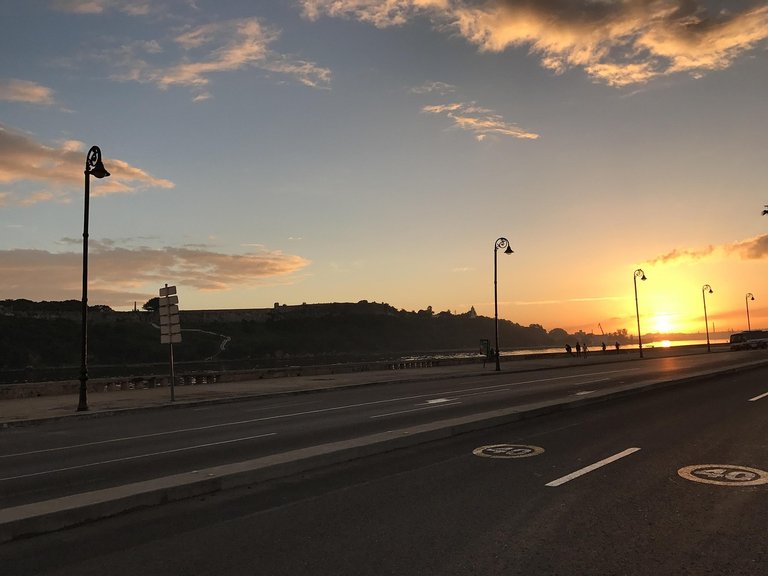
Hay algo profundamente triste en esa dependencia emocional, porque mientras el que sigue en su barrio, puede aún tener esperanza —la esperanza de que las cosas cambien, de encontrar un camino, de que por lo menos amanezca—, el que ya se fue y vive pendiente del mal ajeno, ha perdido hasta la capacidad de desear algo propio, ya no hay proyecto personal que valga, su proyecto se volvió la destrucción simbólica del otro, y eso en cualquier lado del muro, es una forma de miseria.
Cuando las dificultades no menguan y tienden a apretar más, el eco de ciertas voces se vuelve más agresivo, celebrando que se agudicen las penurias, al parecer creen que esa presión los beneficia, celebran las desgracias colectivas como si fueran victorias personales, mas creo que si se les escucha con atención, lo que en realidad están celebrando, es la confirmación de que su decisión de irse fue la correcta, y esa confirmación repetida cada día, se parece más a un grito de auxilio que alguna postura política.
La frustración no se cura con distancia, ni con electricidad las 24 horas, o con un título enmarcado que no se puede ejercer. La frustración se cura si acaso, con el coraje de mirarse al espejo y reconocer, que uno no es mejor por estar en otro lado, ni más libre por desear la esclavitud ajena, sino con la fe de construir algo aunque sea pequeño, sin necesidad de que a otros les vaya mal para sentirse bien; es posible vivir en países con todas las luces encendidas y tener el alma a oscuras, tener la nevera llena y el corazón vacío, cruzar océanos y seguir más bloqueados que aquel que nunca se movió del mismo barrio.
Quizas lo desafiante sería aprender a habitar ese lugar donde se está, sin convertir la distancia en un arma, en entender que la esperanza no es patrimonio de quienes se quedan ni de quienes se van, sino de los donde estén, tienen la capacidad de desear para los demás, lo mismo que desean para sí mismos: dignidad, paz, posibilidad... Porque en los dos lados del muro, la miseria no será la misma, pero duele igual, y quien no ha aprendido eso, aunque tenga la residencia en regla y los recibos pagados, sigue siendo un exiliado de sí mismo.
There is something profoundly sad in that emotional dependency. Because while the one who remains in their neighborhood can still have hope—hope that things will change, that a path will be found, that at least dawn will come—the one who has already left and lives fixated on the harm of others has lost even the capacity to desire something for themselves. There is no personal project that matters anymore; their project has become the symbolic destruction of the other, and that, on either side of the wall, is a form of misery.
When hardships do not abate and tend to tighten further, the echo of certain voices grows more aggressive, celebrating the worsening of privations. Apparently they believe that pressure benefits them; they celebrate collective misfortunes as if they were personal victories. But I think if one listens carefully, what they are really celebrating is the confirmation that their decision to leave was the correct one, and that confirmation, repeated every day, resembles more a cry for help than any political stance.
Frustration is not cured by distance, nor by 24-hour electricity, nor by a framed degree that cannot be put to use. Frustration, if it is cured at all, is cured by the courage to look in the mirror and recognize that one is not better for being elsewhere, nor freer for desiring the enslavement of others. Rather, it is cured by the faith to build something, even if small, without needing others to fare poorly in order to feel good. It is possible to live in countries with all the lights on and have one’s soul in darkness, to have the refrigerator full and the heart empty, to cross oceans and remain more blocked than the one who never moved from their neighborhood.
Perhaps the challenging thing would be to learn to inhabit the place where one is, without turning distance into a weapon; to understand that hope is not the patrimony of those who stay nor of those who leave, but belongs to those who, wherever they are, have the capacity to desire for others the same things they desire for themselves: dignity, peace, possibility. Because on both sides of the wall, the misery may not be the same, but it hurts equally, and anyone who has not learned that, even if they have their residency papers in order and their bills paid, remains an exile from themselves.

Translated with Google (free version)
Traducido con Google (versión gratuita)
Gracias por su visita
Thank you for your visit