
🍿"Warfare" |Reseña (ESP-ENG)

En español en inglés
La colaboración entre Alex Garland, el cineasta de lo cerebral y lo ominoso, y Ray Mendoza, veterano de combate convertido en cineasta por necesidad testimonial, produce una singularidad feroz en el cine bélico. Garland, autor de obras que diseccionan la colisión entre humanidad y sistemas (ya sean inteligencia artificial o desastres ecológicos), encuentra en la experiencia primera de Mendoza el sistema más brutal y caótico: la guerra moderna urbana. Juntos dirigen Warfare con una premisa formal implacable: la película transcurre en tiempo real, basada en el testimonio directo de los Navy SEALs involucrados. Con un elenco de jóvenes talentos como D'Pharaoh Woon-A-Tai (como el propio Mendoza), Cosmo Jarvis y Will Poulter, es una épica exposición claustrofóbica y sensorial en un solo encuentro devastador, eso sí.
La trama, despojada de cualquier preámbulo heroico o contexto geopolítico amplio, se reduce a la misión inmediata de un pelotón de SEALs el 19 de noviembre de 2006, durante la Batalla de Ramadi. Lo que comienza como una operación de rutina se convierte rápidamente en una pesadilla de fuego cruzado, decisiones imposibles y pura supervivencia. El título, Warfare (Guerra), no alude a una campaña, sino al estado puro y desnudo del acto de hacer la guerra, minuto a minuto. El conflicto es contra un enemigo invisible, la física balística, el tiempo que se agota y la propia fragilidad del cuerpo y el protocolo.
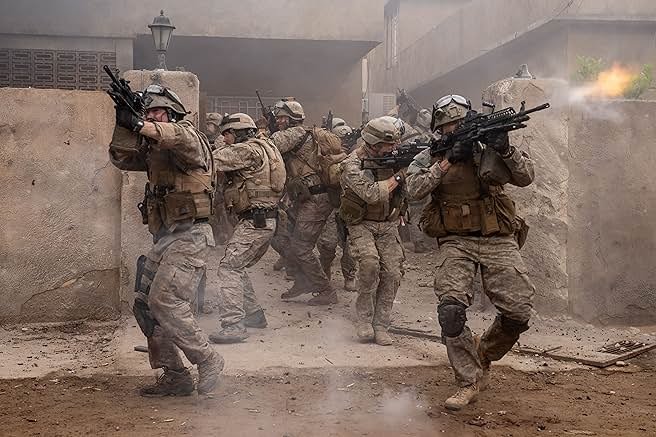
La película es una tesis sobre la disociación y el fallo de los sistemas en el punto de máximo estrés. Garland y Mendoza, junto al director de fotografía David J. Thompson, emplean un lenguaje visual que prioriza la perspectiva subjetiva y fragmentada: cámaras en el hombro que pierden el horizonte, sonido ambiental que ahoga los diálogos, planos extremos que capturan solo un ojo asustado tras unas gafas empañadas. La estructura en tiempo real no es un truco, sino la herramienta fundamental para transmitir la desorientación y el peso agónico de cada segundo en el infierno, eliminando cualquier posibilidad de respiro o edificación narrativa convencional.
Warfare es un correctivo a dos décadas de narrativas bélicas mediáticas. En lugar de glorificar o politizar, documenta el trauma, conectando con el actual debate sobre la salud mental de los veteranos y el costo humano real de los conflictos que a menudo consumimos como espectáculo abstracto. La actuación de Cosmo Jarvis como Elliott Miller es minimalista pero desgarradora. Jarvis, dedicando su interpretación al hombre real en el que se basa, comunica volúmenes con la mirada y la tensión corporal, encarnando vulnerabilidad y mutismo forzado que son las verdaderas secuelas de la batalla, mucho después de que esta termine.
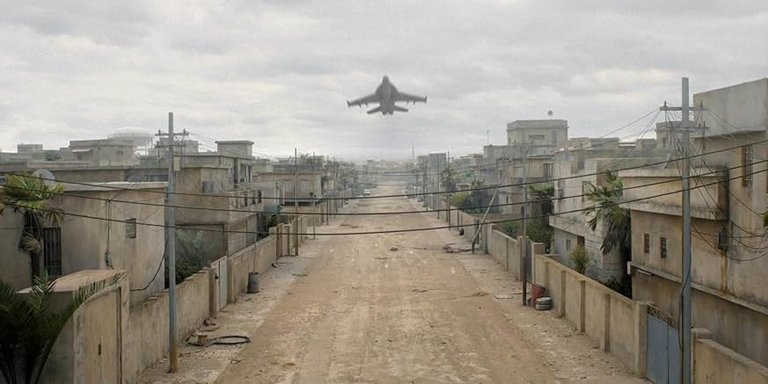
El logro artístico de "Warfare* es inmenso. Es una de las películas de guerra más visceralmente auténticas y formalmente rigurosas jamás realizadas, un ejercicio de empatía extrema que bordea la experiencia sensorial pura. Un plano sostenido en el rostro de Woon-A-Tai, cubierto de barro y sudor, mientras su respiración entrecortada en la radio es el único sonido en medio del caos, y muestra el abismo absoluto entre el entrenamiento y la realidad del combate.

La versión en inglés ha sido traducida con Google Translate.
Imágenes referenciadas.
Separadores creados en Banner Maker (versión gratuita)

The collaboration between Alex Garland, the filmmaker of the cerebral and the ominous, and Ray Mendoza, a combat veteran turned filmmaker out of testimonial necessity, produces a fierce singularity in war cinema. Garland, author of works that dissect the collision between humanity and systems (be they artificial intelligence or ecological disasters), finds in Mendoza's firsthand experience the most brutal and chaotic system: modern urban warfare. Together they direct Warfare with an implacable formal premise: the film unfolds in real time, based on the direct testimony of the Navy SEALs involved. With a cast of young talents such as D'Pharaoh Woon-A-Tai (as Mendoza himself), Cosmo Jarvis, and Will Poulter, it is an epic, claustrophobic, and sensory exposition in a single, devastating encounter.
The plot, stripped of any heroic preamble or broad geopolitical context, boils down to the immediate mission of a SEAL platoon on November 19, 2006, during the Battle of Ramadi. What begins as a routine operation quickly escalates into a nightmare of crossfire, impossible decisions, and sheer survival. The title, Warfare, doesn't allude to a campaign, but rather to the raw, unadulterated act of waging war, minute by minute. The conflict is against an invisible enemy, the physics of ballistics, running out of time, and the very fragility of the body and protocol.
The film is a thesis on dissociation and system failure at the point of maximum stress. Garland and Mendoza, along with cinematographer David J. Thompson, employ a visual language that prioritizes a subjective and fragmented perspective: handheld cameras that lose sight of the horizon, ambient sound that drowns out dialogue, and extreme shots that capture only a frightened eye behind fogged glasses. The real-time structure is not a gimmick, but the fundamental tool for conveying the disorientation and agonizing weight of every second in hell, eliminating any possibility of respite or conventional narrative structure.
Warfare is a corrective to two decades of media-driven war narratives. Instead of glorifying or politicizing, it documents trauma, connecting with the current debate on veterans' mental health and the real human cost of the conflicts we often consume as abstract spectacle. Cosmo Jarvis's performance as Elliott Miller is minimalist yet heartbreaking. Jarvis, dedicating his performance to the real man on whom it is based, conveys depth through his gaze and bodily tension, embodying the vulnerability and forced silence that are the true aftermath of battle, long after it has ended.
The artistic achievement of "Warfare*" is immense. It is one of the most viscerally authentic and formally rigorous war films ever made, an exercise in extreme empathy that borders on pure sensory experience. A sustained shot on Woon-A-Tai's face, covered in mud and sweat, while his ragged breathing comes through the radio. It's the only sound amidst the chaos, and it reveals the absolute gulf between training and the reality of combat.
The English version has been translated using Google Translate.
Images referenced.
Separators created in Banner Maker (free version)

@𝙼𝚊𝚛𝚊𝚋𝚞𝚣𝚊𝚕: 𝙳𝚎𝚕 𝙼𝚘𝚗𝚝𝚎 𝚊𝚕 𝙼𝚞𝚗𝚍𝚘
Muy interesante amigo
!LADY
!HUESO
View or trade
LOHtokens.@yusmelys, you successfully shared 0.1000 LOH with @marabuzal and you earned 0.1000 LOH as tips. (1/5 calls)
Use !LADY command to share LOH! More details available in this post.
Muy amable.
Agradecido 🌻
Me pareció una buena película, diferente y lo suficiente cruda para dar a conocer la realidad de la guerra, no la de un héroe que salva a todos. Puede parecer lenta la principio pero la acción no tarda en llegar. Creo que a nivel de producción esta muy bien lograda, con uno que otro pequeño detalle, pero no deja de ser una buena película.
@topcomment
Que tal marabuzal! Esta película la tengo pendiente estimado por lo que sé esta involucrado el cineasta Alex Garland el mismo de Aniquilación y más recientemente Civil War. Gracias por tu reseña. Saludos.
!BBH
Update: @marabuzal, I paid out 0.027 HIVE and 0.001 HBD to reward 2 comments in this discussion thread.