
[Anime] Akame ga Kill: Dying is literally part of the process.

 TheMovieDB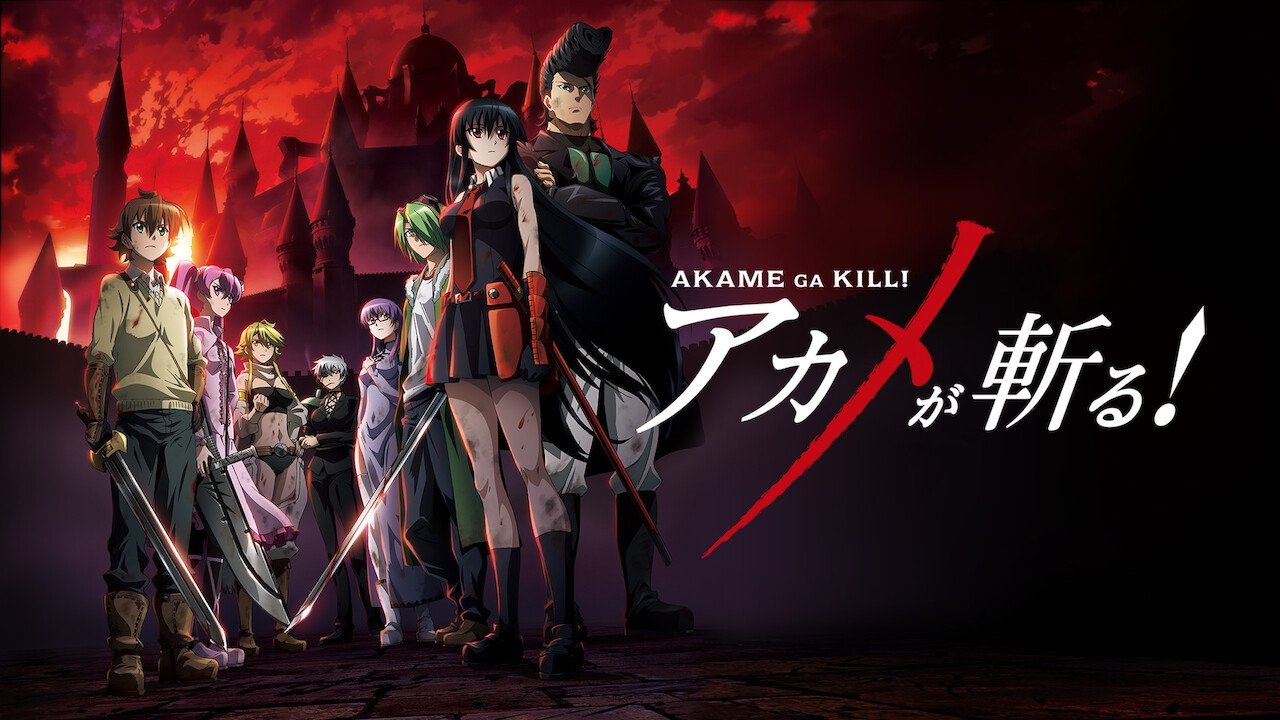

I'll warn you right away: this anime is one of those that traumatizes its fans, or at least something similar, so be prepared. If you haven't seen it yet, watch it and encounter a story that deviates a bit from the routine of happy endings.
Released in 2014 (with 24 episodes), Akame ga Kill! seemed to present a very simple premise at the beginning, but quickly showed that it wasn't quite that. We follow "Tatsumi," a young man who leaves his village in search of money in the capital, imagining that everything will be beautiful and full of incredible adventures, but ends up discovering that the place is dominated by corruption, violence, and abuse of power. Along the way, he meets an organization called "Night Raid," a group of assassins fighting against the Empire using special weapons called Teigu. This forms the basis of the work, which mixes action, fantasy, drama, and a good dose (a really good dose) of violence, creating an atmosphere where each mission could truly be the last.
In Akame ga Kill!, the insane way the characters are treated is surreal. You start by getting to know them in a way that seems to follow a traditional structure, with each one having their own personality, skills, and backstory. But the work doesn't take long to deconstruct this, and the madness begins when you least expect it.
Losses are constant, and at various points, you realize that there's no sense that a certain character is safe simply because they are important to the story's development. This gives the battles enormous weight, because victory almost never comes easily or without sacrifice. For me, this is one of the anime's main strengths; this subversion of expectations is something that stunned me when I watched it.
 Esdeath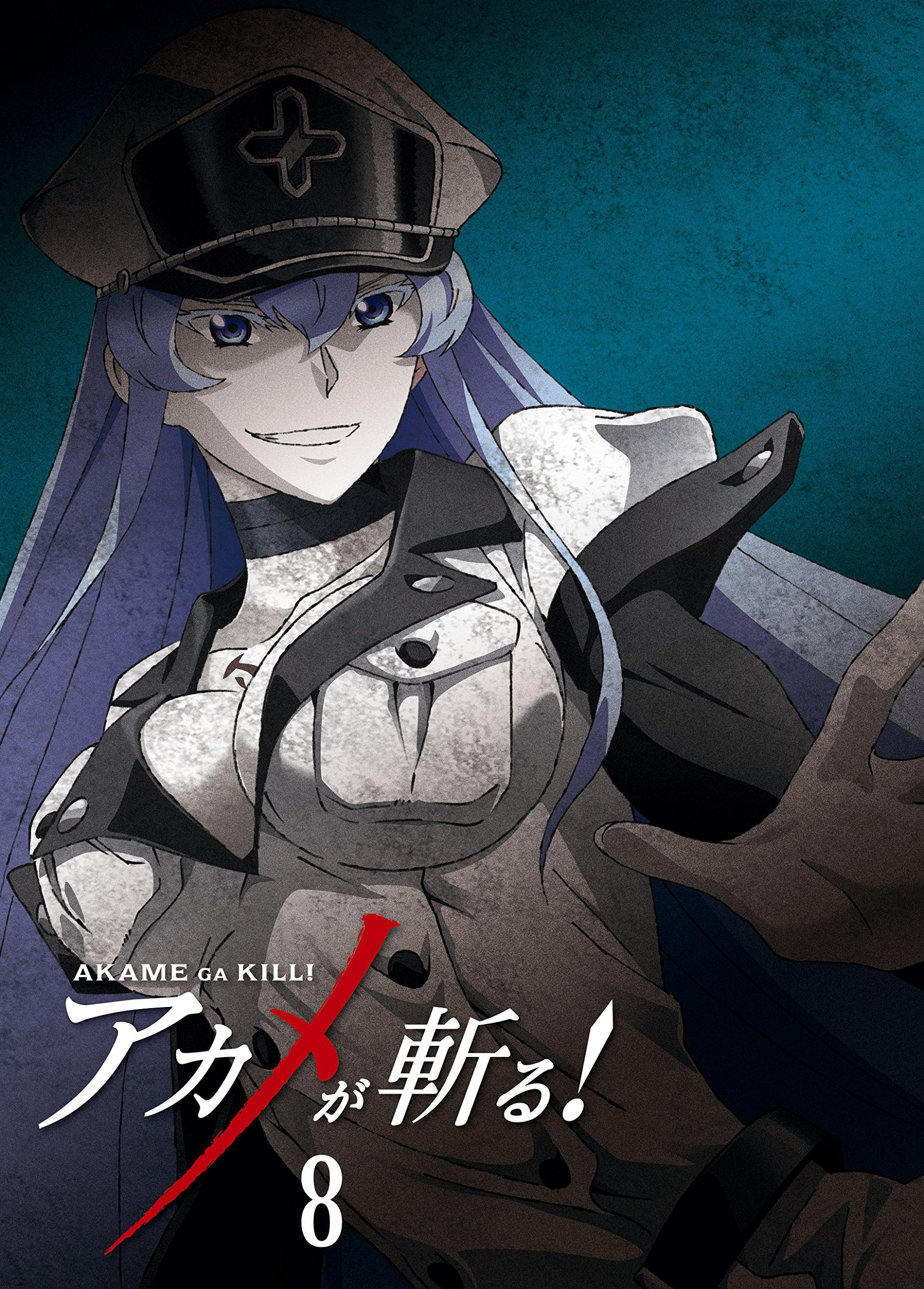
The character design is also sensational: Akame, Tatsumi, Mine, Leone, Sheele, Lubbock, and the other members of Night Raid have completely different styles, and it's easy to develop a preference and fondness for some of them. You've probably already seen a video of Esdeath on some social network, and obviously, she deserves recognition for being an extremely memorable antagonist within that universe.
Furthermore, the anime heavily explores the idea that there is no such thing as a truly clean war, because both the Empire and the revolutionaries (Night Raid) commit atrocities, and these choices make the narrative heavier and less predictable.
An interesting fact for those who only watched the anime: it and the manga don't tell exactly the same story until the very end. The manga, written by Takahiro and illustrated by Tetsuya Tashiro, began in March 2010 and ended in December 2016; meanwhile, the anime began airing in 2014 and, as the adaptation caught up with the available material, the anime's ending followed its own path, with distinct events and character fates different from the manga. This is actually quite amusing, because many people finish the anime believing that this is the only ending of the work, but it turns out that it isn't, because the manga had a different storyline.
 TheMovieDB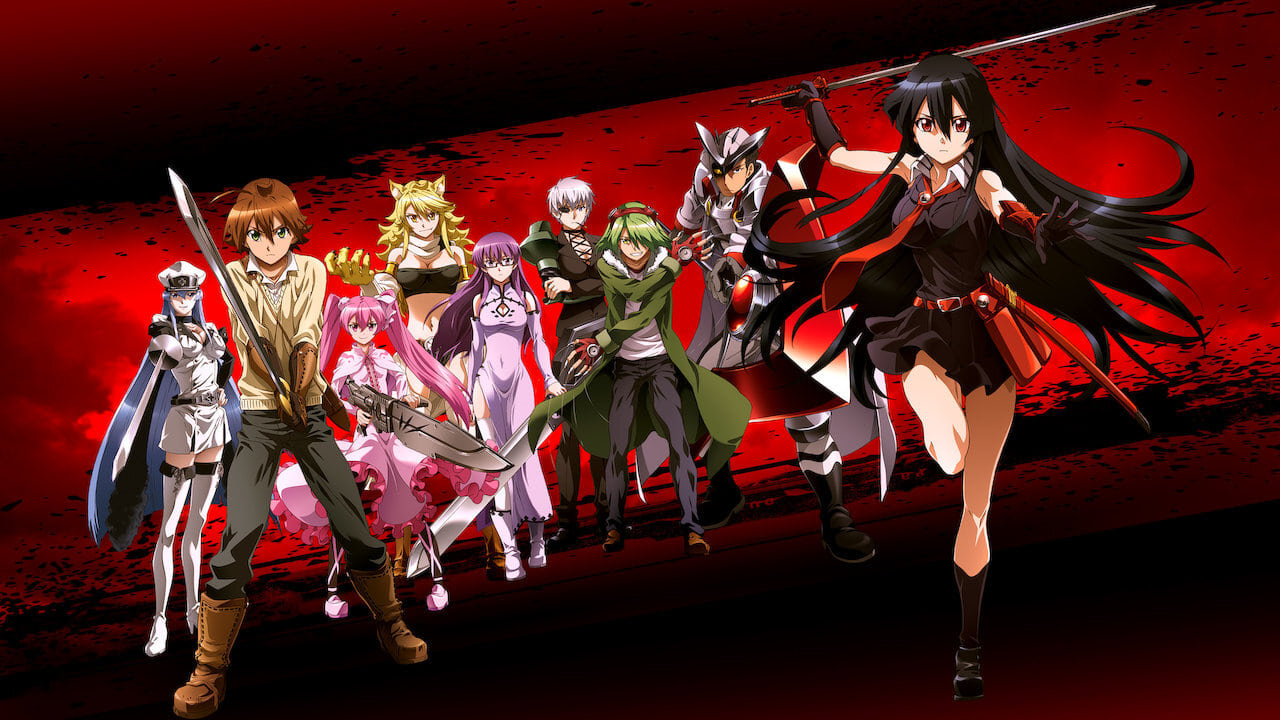
One negative point about the anime is that, at a certain point, it starts to accelerate the unfolding of the story too much, especially near the end. Because of this, some characters who could have received better development end up dying so quickly that there is little time to absorb the impact of their deaths. The difference from the manga reinforces this feeling of haste, because the adaptation had to deal with the events and build its own conclusion. This doesn't make the experience bad, but it leaves the impression that Akame ga Kill! could have developed even further what it started so well.
This problem is just a detail compared to the grandeur of the work, and I would certainly recommend the anime to those who like a darker tone and don't mind seeing the characters die. It might frustrate those expecting a perfectly correct development or a conventional ending, but it's precisely this unpredictability that made the work memorable for so many people.
Akame ga Kill! is the kind of anime that you finish and keep thinking about the deaths, the characters' choices, and how that story could have gone in other directions. The feeling that no one is completely safe is something that makes you remember the anime and be sure that it's different from others.

TheMovieDB
Já vou logo avisando: esse anime é um daqueles que traumatizam seus fãs, ou pelo menos algo parecido, então se prepare. Quem ainda não viu, veja e se depare com uma história que foge um pouco da rotina de finais felizes.
Lançado no ano de 2014 (com 24 episódios), Akame ga Kill! Parecia apresentar uma proposta bem simples no começo, mas rapidamente mostrou que não era bem isso. Acompanhamos “Tatsumi”, um jovem que deixa sua vila em busca de dinheiro na capital, imaginando que tudo será lindo e cheio de aventuras incríveis, mas acaba descobrindo que o lugar é dominado por corrupção, violência e abuso de poder. No caminho, ele conhece uma organização chamada “Night Raid”, um grupo de assassinos que luta contra o Império utilizando armas especiais chamadas Teigu. Com isso, temos a base da obra, que mistura ação, fantasia, drama e uma boa dose (boa mesmo) de violência, criando um clima em que cada missão pode realmente ser a última.
Em Akame ga Kill! A forma insana na qual os personagens são tratados é algo surreal. Você começa conhecendo-os de uma forma que parece seguir uma estrutura tradicional, com cada um tendo sua personalidade, habilidade e história. Só que a obra não demora para desconstruir isso, e a loucura começa quando você menos espera.
As perdas são constantes e, em vários momentos, você acaba percebendo que não existe aquela sensação de que determinado personagem está a salvo, por ser importante para o desenvolvimento da história. Isso faz com que as batalhas ganhem um peso enorme, porque a vitória quase nunca vem de graça ou sem sacrifícios. Para mim, esse é um dos principais acertos do anime; essa quebra de expectativa é algo que me deixou atordoado na época em que assisti.
EsdeathA construção dos personagens também é algo sensacional: Akame, Tatsumi, Mine, Leone, Sheele, Lubbock e os demais integrantes da Night Raid possuem estilos completamente diferentes, e é fácil acabar criando preferência e carisma por alguns deles. Provavelmente você já deve ter visto algum vídeo da Esdeath em alguma rede social e, obviamente, ela merece destaque por ser uma antagonista extremamente marcante dentro daquele universo.
Além disso, o anime trabalha muito com a ideia de que não existe uma guerra realmente limpa, porque tanto o Império quanto os revolucionários (Night Raid) cometem atrocidades, e essas escolhas deixam a narrativa mais pesada e menos previsível.
Uma curiosidade para quem assistiu somente ao anime: ele e o mangá não contam exatamente a mesma história até a parte final. O mangá, que foi escrito por Takahiro e ilustrado por Tetsuya Tashiro, começou em março de 2010 e terminou em dezembro de 2016; enquanto isso, o anime começou a ser exibido em 2014 e, como a adaptação alcançou o material disponível, a parte final do anime seguiu um caminho próprio, com acontecimentos distintos e com o destino dos personagens diferente do mangá. Isso é algo até divertido, porque muita gente termina o anime acreditando que aquele é o final único da obra, mas acaba que não é, porque no mangá foi diferente.
TheMovieDBUm ponto negativo sobre o anime é que, em dado momento, ele começa a acelerar demais o desenrolar da história, principalmente perto do final. Com isso, alguns personagens que poderiam ter recebido um desenvolvimento melhor acabam falecendo tão rapidamente que existe pouco tempo para absorver o impacto dessa morte. A diferença em relação ao mangá reforça essa sensação de pressa, porque a adaptação precisou se virar com os acontecimentos e construir sua própria conclusão. Isso não torna a experiência ruim, mas deixa aquela impressão de que Akame ga Kill! Poderia ter desenvolvido ainda mais aquilo que começou tão bem.
Esse problema chega a ser somente um detalhe perto da grandiosidade da obra e, com certeza, eu recomendaria o anime para quem gosta de uma pegada mais sombria e que não tem frescura em ver a morte dos personagens. Ele pode acabar frustrando quem espera um desenvolvimento totalmente correto ou um final convencional, mas é justamente essa imprevisibilidade que fez a obra ficar na memória de tantas pessoas.
Akame ga Kill! É aquele tipo de anime que você termina e fica pensando nas mortes, nas escolhas dos personagens e em como aquela história poderia ter seguido por outros caminhos. A sensação de que ninguém está totalmente seguro é algo que faz você se lembrar do anime e ter certeza de que ele é diferente dos outros.

Hive Grove | Discord | Xwitter
🔥Please, consider helping by using my reference links🔥
Rating: 95/100
Originally posted through scrobble.life/anime.
I remember watching this anime a long time ago. It's good; if I remember correctly, I think it only had one season. The general's obsessive crush on the new guy is really funny.
I remember that when I watched it, I got a real shock because I never imagined the characters would die the way they did. I thought it was just going to be another laid-back story or something like that, but in the end, it’s crazy… everyone dies, and that’s just how it is, haha
Yes like Jojo's Adventure haha Araki is a true master doing this
Congratulations @shiftrox! You received a personal badge!
Wait until the end of Power Up Day to find out the size of your Power-Bee.
May the Hive Power be with you!
You can view your badges on your board and compare yourself to others in the Ranking
Check out our last posts: