
La paternidad como responsabilidad plena / Fatherhood as full responsibility [Esp-Eng]

Saludos comunidad @holos.lotus
El tema de la paternidad resulta cada vez más fascinante y complejo, lo de fascinante lo digo por la rapidez con que se mueve el discurrir de la vida, donde las estructuras familiares se transforman y las certezas de antes ya no lo son tanto, la figura del padre sigue siendo ese pilar, que bien ejercida, puede marcar una diferencia enorme en la vida de cualquier persona.
Greetings community @holos.lotus
The subject of fatherhood is increasingly fascinating and complex. I say "fascinating" because of how quickly the course of life moves, how family structures are transformed, and how the old certainties are no longer so certain. The figure of the father remains that pillar which, when exercised well, can make an enormous difference in anyone's life.
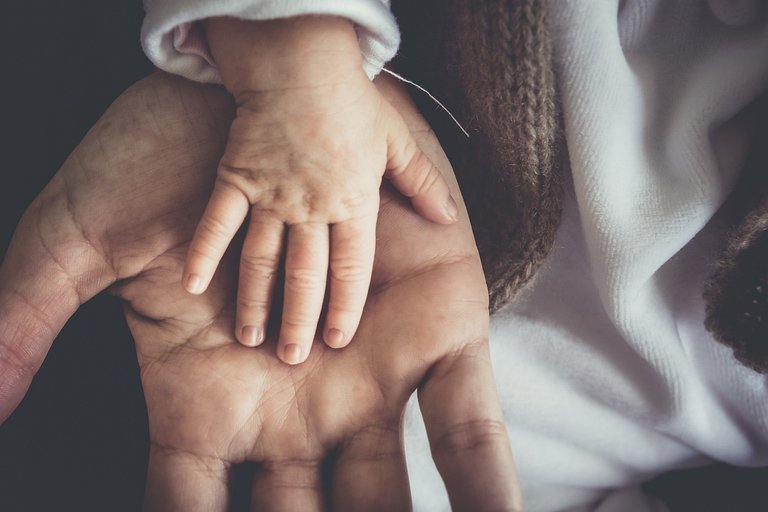
Hay una idea algo extendida que mueve a la reflexión, es la de solo con amor basta, no estoy diciendo que el amor no sea fundamental, por supuesto que lo es, no obstante viendo a nuestro alrededor los tantos casos que se plantean, y desde la propia experiencia, podemos aprender que querer a los hijos es solo la puerta de entrada a algo mucho más grande y exigente. Cuando pulula una especie de romanticismo paternal, ese padre que publica fotos abrazando a sus hijos en redes sociales, asistiendo a eventos escolares, que dice públicamente lo mucho que los ama, eso está muy bien; ahora preguntémonos, si ese mismo padre está presente cuando hay que tomar decisiones difíciles, cuando hay que poner límites aunque duela, cuando hay que sacrificar comodidades propias para garantizarle a sus hijos algo que realmente, necesitan.
Es imperativo entender que la paternidad no es un estado de ánimo, sino una responsabilidad, y cuando digo responsabilidad no me refiero solo a lo económico, aunque también es importante y mucho, me refiero a esa capacidad de estar ahí, de verdad no cuando conviene o cuando es bonito, saber que las necesidades de los hijos no siempre coinciden con lo que nosotros creemos que necesitan, y descubrir cuáles son las reales.
He visto padres que se llenan la boca diciendo que dan todo por sus hijos, sin embargo no tienen tiempo para sentarse a conversar con ellos, otros que creen que cumplen con llevar dinero a casa, mientras terceros —vecinos, familiares, las pantallas— son quienes terminan criando a sus hijos; luego nos sorprendemos cuando esos niños crecen con inseguridades, con rebeldías sin dirección, y con una fragilidades emocionales que los hacen tambalear ante cualquier adversidad.
There's a somewhat widespread idea that prompts reflection: that "love alone is enough." I'm not saying love isn't fundamental—of course it is. However, looking around at the many cases that arise, and from my own experience, we can learn that loving your children is just the gateway to something much bigger and more demanding. When there's a kind of paternal romanticism—the father who posts photos hugging his children on social media, attends school events, publicly declares how much he loves them—that's all very well. But let's ask ourselves: is that same father present when difficult decisions need to be made, when limits need to be set even if it hurts, when he has to sacrifice his own comfort to ensure his children get something they truly need?
It's imperative to understand that fatherhood is not a mood, but a responsibility. And when I say responsibility, I don't just mean financial, although that is also important, very much so. I mean that ability to be there, truly, not when it's convenient or when it's nice. It means knowing that children's needs don't always align with what we think they need, and discovering what their real needs are.
I've seen fathers who loudly proclaim they give everything for their children, yet they don't have time to sit down and talk with them. Others believe they fulfill their duty by bringing money home, while third parties—neighbors, relatives, screens—end up raising their children. Then we're surprised when those children grow up with insecurities, with directionless rebellion, and with emotional fragilities that make them stumble at any adversity.
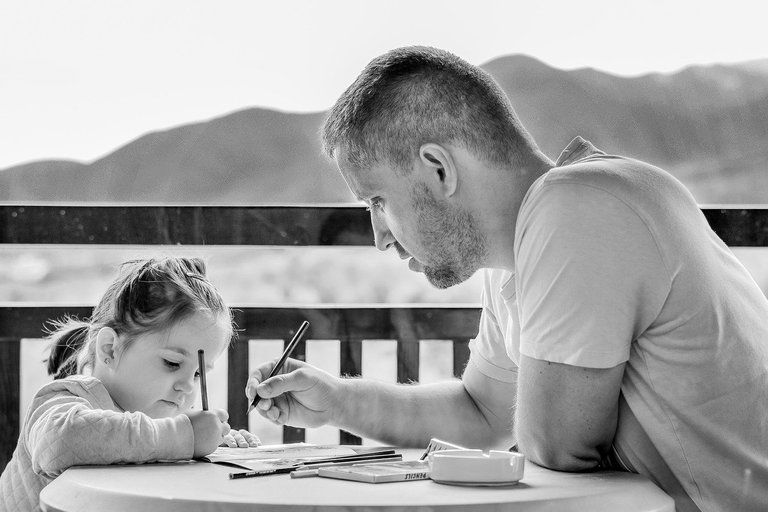
La realidad cotidiana de hoy, al menos la que yo veo, nos muestra un panorama variopinto, llena de padres ausentes físicamente porque la vida los ha puesto en otro país, en otra ciudad en otra dirección, también de padres presentes físicamente que nunca terminan de estar realmente; el reto está cómo construimos ese vínculo profundo, esa cercanía que no se mide en kilómetros sino en calidad de presencia, porque ser padre en el mundo de hoy, exige algo que quizás antes no se pedía con tanta claridad, exige vulnerabilidad, mostrarle a los hijos que uno también se equivoca, que tiene dudas, que también está aprendiendo, al tiempo que exige fortaleza silenciosa, capacidad de mantenerse firme en el momento de sostener, o de decir "no" aunque eso genere berrinches, al enseñar que la vida no siempre nos deparará todo lo que se pida.
Una paternidad colaborativa, afectuosa pero con límites claros, que sepa acompañar sin sobreproteger, que entienda que el objetivo no es tener hijos eternamente agradecidos sino personas autónomas, capaces de caminar por sí mismas... eso podría ser muy relevante, aunque cuesta trabajo, paciencia, cuesta aprender a soltar cuando hay que soltar. Cada hijo que crece sintiéndose seguro, no porque le dieron todo sino porque supo que tenía a alguien que lo respaldaba en las decisiones importantes; el joven que enfrenta los retos de la vida con herramientas para manejarlos; personas que al mirar atrás, ven en su padre no un héroe sino a un ser humano que hizo lo posible por estar a la altura... todo eso es el resultado de una paternidad que entendió que el amor por sí solo no basta.
Más allá de teorías, la paternidad es ese ejercicio pequeño en lo cotidiano, la decisión constante de asumir un compromiso que no tiene día libre, en fin que ser padre sigue siendo, quizá más que nunca, uno de los oficios más difíciles y más hermosos que alguien puede asumir.
Today's daily reality, at least the one I see, shows us a diverse landscape, full of fathers who are physically absent because life has placed them in another country, another city, another direction. Also of fathers who are physically present but never really "there." The challenge is how we build that deep bond, that closeness measured not in kilometers but in the quality of presence. Because being a father in today's world demands something that perhaps wasn't asked so clearly before: it demands vulnerability—showing your children that you also make mistakes, have doubts, are also learning—while at the same time demanding silent strength, the ability to stand firm when it's time to hold the line or say "no" even if it causes tantrums, teaching that life won't always give us everything we ask for.
A collaborative form of fatherhood, affectionate yet with clear limits, that knows how to accompany without overprotecting, that understands the goal isn't to have eternally grateful children but autonomous people capable of walking on their own... that could be very relevant, even though it takes effort, patience, and learning to let go when you need to let go. Every child who grows up feeling secure, not because they were given everything but because they knew they had someone who backed them up in important decisions; the young person who faces life's challenges with the tools to handle them; people who, looking back, see in their father not a hero but a human being who did his best to rise to the occasion... all of that is the result of a fatherhood that understood that love alone is not enough.
Beyond theories, fatherhood is that small, everyday practice, the constant decision to take on a commitment that has no days off. In short, being a father remains, perhaps more than ever, one of the most difficult and most beautiful crafts one can undertake.

Translated with Google (free version)
Traducido con Google (versión gratuita)
Gracias por su visita
Thank you for your visit
Posted Using INLEO
because I can, So Can WE! --> Vote Witty for your witness. <--
If you want to be amazed by literature, just read this: [Literature] Charles Dickens: The Trial for Murder 1/6