
Entre el mapa y la realidad [Esp-Eng]

Saludos a todos los miembros de la comunidad @holos.lotus y también para quienes solo se encuentren de paso por acá.
Creo que a estas alturas nadie en su sano juicio sea capaz de negar, que nunca la humanidad en sentido general —todavía hay personas que viven en comunidades bastante primitivas— ha tenido tanta información al alcance de la mano, y sin embargo nunca ha sido tan fácil perderse.
Greetings to all members of the @holos.lotus community and also to those who are just passing through.
I think that by now no one in their right mind can deny that humanity in general — there are still people living in fairly primitive communities — has never had so much information at its fingertips, and yet it has never been so easy to get lost.
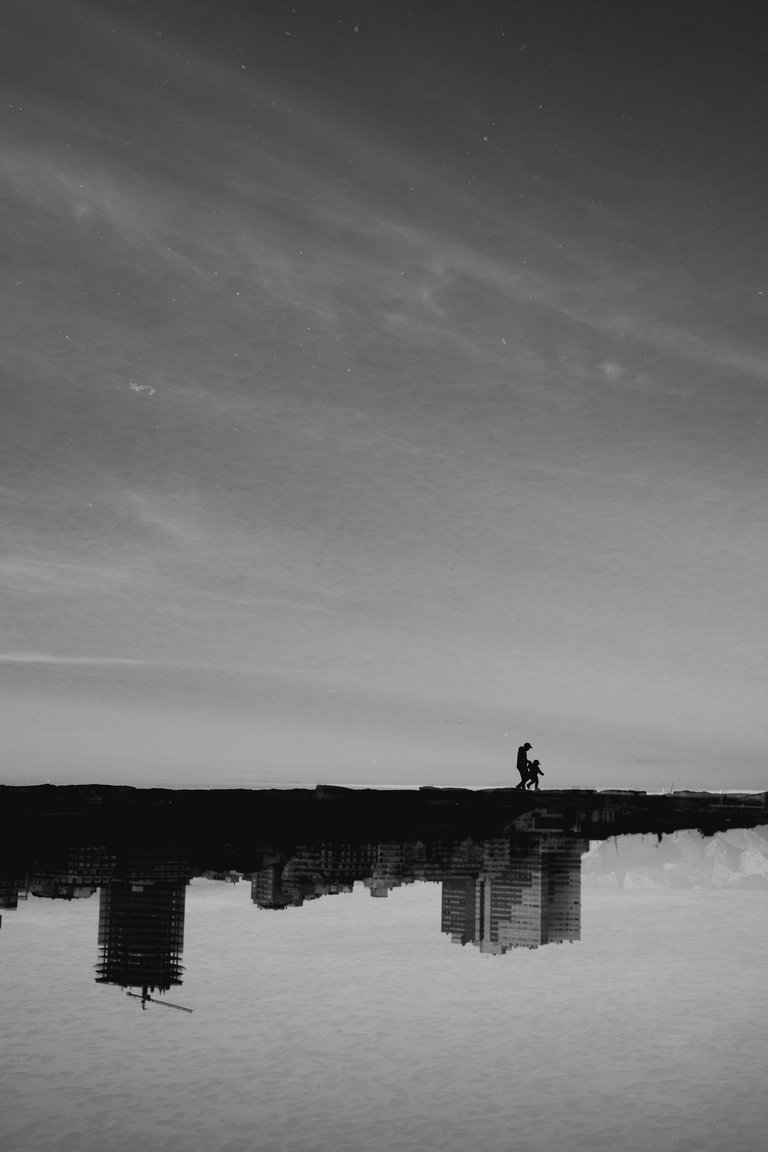
Hoy abres cualquier red social y te encuentras con tres o más versiones distintas de un mismo hecho, todas presentadas como la verdad absoluta, y nos quedamos navegando entre versiones, convencidos de que nuestra manera de ver las cosas es la correcta y que el resto simplemente no entiende, pero si hacemos un ejercicio retrospectivo, es posible te veas discutiendo sobre algo, y después al contrastar datos o escuchar con calma, te has dado cuenta de que tu versión de los hechos no era tan precisa, a mí me ha pasado, de hecho por ahí existe un refrán que dice "dato mata relato".
Hay una distancia entre lo que vemos y lo que es, donde la realidad existe, es objetiva tiene sus leyes y sus límites, pero nosotros no accedemos a ella directamente, sino a través de nuestra representación mental, como un mapa que construimos en la cabeza, que rara vez es un calco perfecto del territorio real, y si actuamos basándonos en un mapa defectuoso, nuestras decisiones van a fallar, no por mala intención, o falta de capacidad, sino por una razón mucho más elemental, estaríamos respondiendo a algo que no es.
Si volvemos la vista a nuestro alrededor, veremos personas que toman decisiones temerarias con sus finanzas; matrimonios que se rompen porque cada uno vive en su propia interpretación de lo que pasa; debates políticos donde parece que nadie escucha, porque todos están convencidos de tener el mapa correcto, no es maldad sino desajuste, como una brecha entre lo que es y lo que creemos que es.
Today you open any social network and you come across three or more different versions of the same event, all presented as absolute truth, and we remain navigating among versions, convinced that our way of seeing things is the right one and that everyone else simply doesn't understand. But if we do a retrospective exercise, you might find yourself arguing about something, and then after cross-checking data or listening calmly, you realize that your version of events wasn't so accurate. It's happened to me; in fact, there's a saying that goes, "data beats story."
There is a distance between what we see and what is, where reality exists, it is objective, it has its laws and its limits, but we do not access it directly, only through our mental representation, like a map we build in our heads, which is rarely a perfect tracing of the real territory. And if we act based on a faulty map, our decisions will fail — not because of bad intentions or lack of ability, but for a much more elementary reason: we would be responding to something that is not.
If we look around us, we will see people making reckless decisions with their finances; marriages breaking up because each person lives in their own interpretation of what's happening; political debates where no one seems to listen, because everyone is convinced they have the correct map. It's not malice but mismatch, like a gap between what is and what we believe it is.
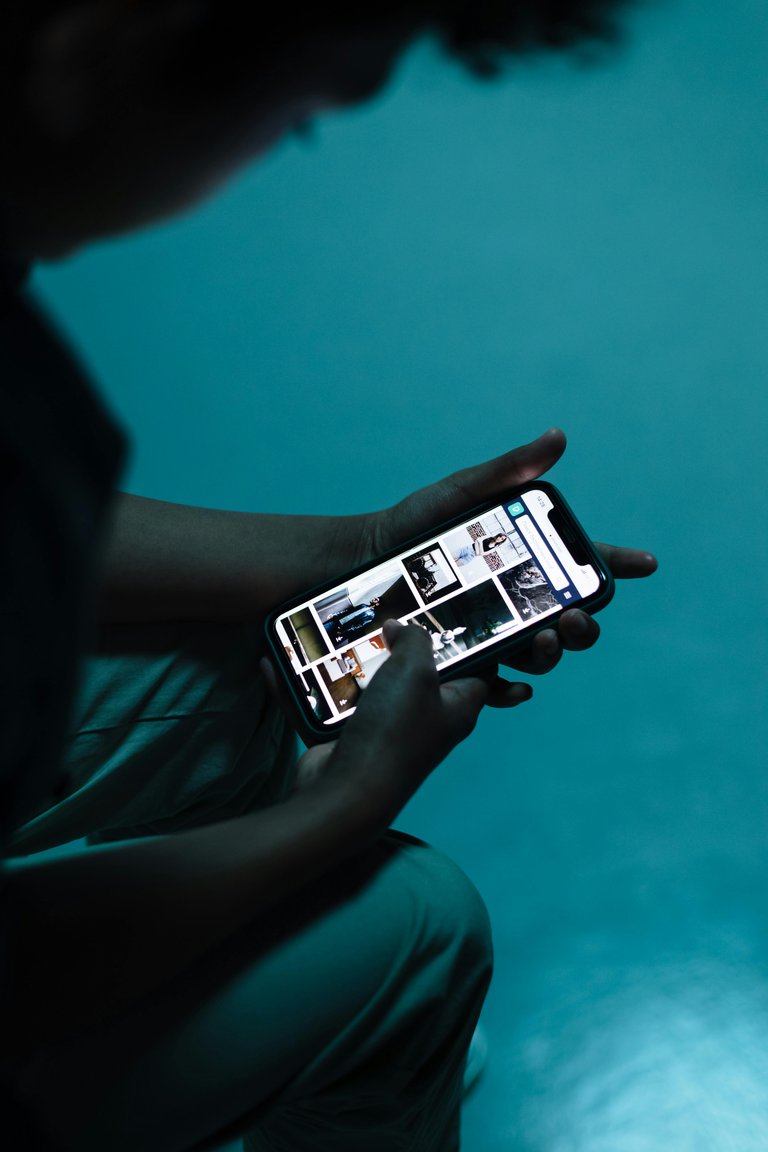
Aquí viene lo que para mí es la parte esperanzadora, porque a veces pensamos que hay personas clarividentes y personas confundidas, como si la capacidad de ajustarse a la realidad, fuera un talento con el que se nace o no, pero no funciona así; la armonía entre el mapa y el territorio se construye, se entrena y también se cuida. Se construye de una manera muy concreta, dejando entrar otras miradas, escuchando de verdad lo que otros ven, aunque al principio nos incomode, contrastando lo que sentimos con datos, con experiencias ajenas, y perspectivas que nos sacuden la certeza. Uno de los problemas más graves de nuestro tiempo, no es la mentira, no es la desinformación, es la pereza de salir del propio mapa, al encerrarnos en burbujas donde todo confirma lo que ya creemos, confundimos el eco con la verdad.
En tiempos tranquilos, andar con un mapa desajustado puede no pasar factura inmediata, puedes creerte algunas cosas inexactas y seguir funcionando más o menos bien, pero no vivimos tiempos tranquilos, estamos atravesando una época de reconstrucción, de crisis encadenadas, de cambios profundos, y en ese panorama la armonía, pasa a convertirse casi en una cuestión de supervivencia. Porque cuando el terreno se mueve, necesitas un mapa mental fiable, cuando las decisiones tienen consecuencias graves, no puedes permitirte actuar desde la alucinación colectiva o desde el relato cómodo, la lucidez se vuelve una herramienta de primer orden.
Convendría antes de defender una versión con uñas y dientes, antes de etiquetar al que piensa distinto como enemigo o como ignorante, preguntarse: ¿qué parte de mi mapa mental podría estar desenfocada? ¿Qué pasaría si dedicara tiempo a escuchar de verdad otras perspectivas en lugar de solo esperar mi turno para hablar? Esa armonía no es resignación y tibieza, no es "llevarse bien" a cualquier precio, sino la búsqueda activa, del ajuste más fino posible entre lo que hay y lo que entendemos. Es como una decisión de preferir la lucidez antes que la comodidad de la propia burbuja.
Here comes what for me is the hopeful part, because sometimes we think there are clairvoyant people and confused people, as if the ability to align with reality were a talent you're born with or not — but it doesn't work that way. The harmony between the map and the territory is built, trained, and also cared for. It is built in a very concrete way: by letting in other perspectives, truly listening to what others see even if it initially makes us uncomfortable, contrasting what we feel with data, with others' experiences, and with perspectives that shake our certainty. One of the most serious problems of our time is not lies, not disinformation — it's the laziness of leaving one's own map. By locking ourselves in bubbles where everything confirms what we already believe, we mistake the echo for truth.
In calm times, walking around with a misaligned map might not take an immediate toll. You can believe some inaccurate things and still function more or less well. But we are not living in calm times. We are going through an era of reconstruction, of cascading crises, of deep changes. And in that landscape, harmony becomes almost a matter of survival. Because when the ground moves, you need a reliable mental map. When decisions have serious consequences, you cannot afford to act from collective hallucination or from comfortable storytelling. Lucidity becomes a primary tool.
Before defending a version tooth and nail, before labeling those who think differently as enemies or ignorants, it would be wise to ask yourself: what part of my mental map might be out of focus? What would happen if I dedicated time to truly listening to other perspectives instead of just waiting for my turn to speak? That harmony is not resignation or lukewarmness, it's not "getting along" at any cost, but rather the active search for the finest possible adjustment between what is and what we understand. It is like a decision to prefer lucidity over the comfort of one's own bubble.

Translated with Google (free version)
Traducido con Google (versión gratuita)
Gracias por su visita
Thank you for your visit
Posted Using INLEO